Hawaii has hundreds of beaches, but only a few dozen where the snorkeling is genuinely worth planning a day around — and they differ wildly in difficulty, access, cost and what you’ll actually see. This guide ranks the 20 best, compiled from 40+ firsthand trip reports, tour operator data and official park sources. Start with the finder below, or scroll for the full ranked list.
Compiled from firsthand reports and official sources · How we research
How we ranked these spots
Every spot below was scored on six things: reef quality and marine life, typical water clarity, how easy the entry is, safety (lifeguards, currents, seasonal surf), crowding, and logistics — fees, parking and reservations. We don’t rank a spot highly just because it’s famous; Waikiki itself, for example, doesn’t make the list. Where reviewers disagree, we say so. The full process, including every source we reviewed, is on our methodology page.
Every spot at a glance
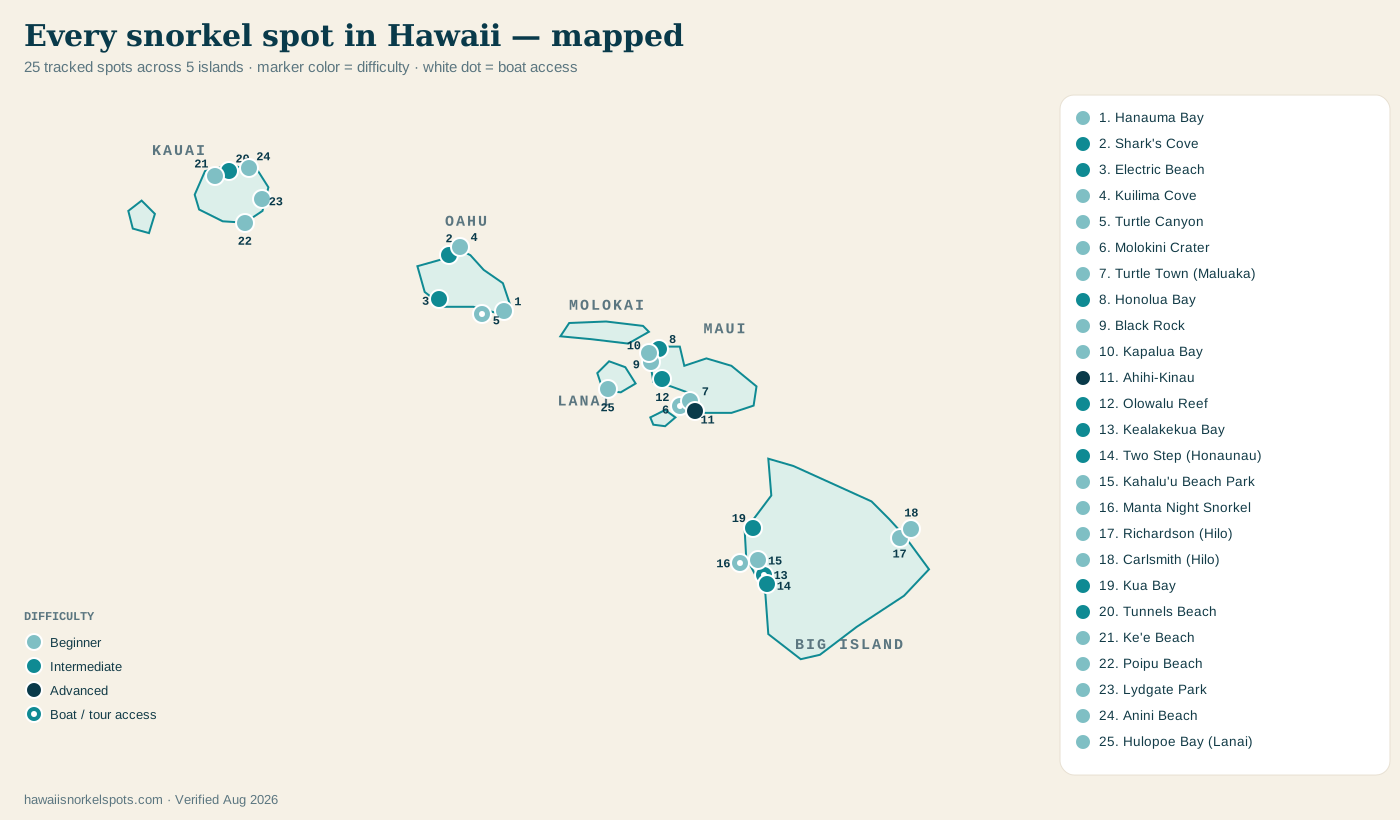
Best places to snorkel on the Big Island
1. Kealakekua Bay (Captain Cook)
The most consistent answer to “what’s the single best snorkel in Hawaii” across the firsthand reports we reviewed. The bay is a Marine Life Conservation District with visibility that reviewers repeatedly measure in the 60–100 ft range — travel blogger Sarah at Lost in the Midlands reported roughly 30 meters of clear water on her visit, over dense coral by the Captain Cook Monument. There’s no easy shore entry: you arrive by boat tour, by permitted kayak, or via a steep hike down (and back up). The effort is the filter that keeps it special. Morning boat tours from Kona run roughly $100–170.
2. Two Step (Honaunau Bay)
Just south of Kealakekua, next to Pu’uhonua o Honaunau National Historical Park. The name is literal: you step off a lava shelf in two natural steps straight into a coral drop-off — no sand, no shallows, just immediate reef. Spinner dolphins rest in the bay some mornings. It’s free, but the lava entry and occasional surge make it an intermediate spot; reef shoes help, and go early for parking.
3. Kahalu’u Beach Park
Kona’s beginner classic: shallow, lifeguarded, and full of reef fish so accustomed to snorkelers they barely move. Turtle sightings are close to routine here, grazing on the rocks. The small lot fills by mid-morning. If it’s your first time ever in a mask, this and Hanauma Bay’s inner reef are the two most forgiving places in the state to learn.
4. Kona Manta Ray Night Snorkel
Not a beach — an experience, and the one Big Island activity almost every reviewer calls unforgettable. After dark, tour boats set dive lights that attract plankton, and manta rays barrel-roll through the glow inches beneath you. You float on the surface holding a light board, so it’s beginner-accessible despite being at night. Tours run roughly $120–200 from the Kona coast.
5. Hilo side: Richardson Ocean Park & Carlsmith Beach Park
The rainy side gets overlooked, unfairly. Richardson is a black-sand pocket beach with lifeguards and near-guaranteed turtles; Carlsmith’s lagoon sits behind a natural rock wall that keeps it calm even on windy days. Neither has Kona’s visibility, but both are free, uncrowded and genuinely good.
Best places to snorkel in Maui
6. Molokini Crater
A crescent of volcanic crater rising out of the ocean three miles off south Maui, protecting a reef bowl where visibility regularly exceeds 100 feet. It’s boat-only: morning tours (roughly $150–200 for adults) leave from Ma’alaea Harbor, and most add a second stop at Turtle Town. Book the morning departure — afternoon wind chops the water. If you take one paid tour in Hawaii, reviewers overwhelmingly say make it this or the manta night snorkel.
7. Turtle Town (Maluaka Beach)
The place tour boats call “Turtle Town” is reachable free from shore at Maluaka Beach in Makena — a point The Hawaii Vacation Guide makes emphatically: swim toward the rocky points and the resident green sea turtles are usually there. Sandy entry, calm water, small lot. Remember the rule: stay 10 feet back, always.
8. Honolua Bay
A Marine Life Conservation District in northwest Maui with some of the biggest coral heads on the island. You reach it through a short jungle path; there’s no sand beach, just a rocky shoreline entry — worth it in summer, but in winter this bay becomes a world-class surf break and snorkeling shuts down entirely.
9. Kapalua Bay
A crescent bay sheltered by lava points on both ends, which keeps it calm when nearby beaches are not. Family-favorite, easy sandy entry, turtles along the rocks. The public lot is small; arrive before 9.
10. Black Rock (Ka’anapali)
The lava promontory at the north end of Ka’anapali Beach, where turtles cruise the rock face meters from shore. It’s the easiest turtle encounter in West Maui and doubles as the island’s famous cliff-jump spot. Parking is the only hard part — use the public stalls at Whalers Village early.
11. Ahihi-Kinau Reserve & Olowalu Reef
For experienced snorkelers. Ahihi-Kinau is a Natural Area Reserve over raw lava reef south of Makena — pristine because it’s protected and awkward to enter. Olowalu, off the highway in West Maui, is the state’s largest fringing reef, with coral heads estimated at over 500 years old and a resident manta ray population; the good reef starts a few hundred feet out, so it demands comfortable open-water swimming.
Best places to snorkel in Oahu
12. Hanauma Bay
The most famous snorkel spot in Hawaii, and still one of the best — a protected volcanic bay that’s been a Marine Life Conservation District since 1967. The inner reef is calm, shallow and ideal for first-timers; confident swimmers can pass through the channel to the outer reef. It’s also the most regulated: $25 entry for visitors 13+, kids 12 and under free, closed every Monday and Tuesday, reservations open exactly two days ahead at 7:00 a.m. HST and sell out in minutes, and every first-time visitor watches a 9-minute reef-care video. Plan for all of that — it’s worth it.
13. Electric Beach (Kahe Point)
The power plant across the road discharges warm water offshore, and the outflow acts like a fish magnet — Smartrippers rate it their favorite snorkel on Oahu for exactly that reason. The catch: the action is a ~100-meter swim from shore, so this is an intermediate spot. Dolphins pass offshore, and dive boats visit daily.
14. Shark’s Cove (summer only)
North Shore lava coves and tide pools that offer Oahu’s most interesting shore snorkeling from May through September. In winter, the same coast holds professional surf contests — do not get in. Rocky entry, free, no facilities to speak of.
15. Turtle Canyon (boat, off Waikiki)
A turtle cleaning station a short catamaran ride from Waikiki, where reef fish groom resting green sea turtles. If you’re based in Waikiki without a car, this is your highest-probability turtle encounter — tours run roughly $50–120.
16. Kuilima Cove
A rock-rimmed cove beside Turtle Bay Resort that stays calm even when the rest of the North Shore is firing — which makes it the North Shore’s one year-round beginner option. Free, sandy entry, modest reef but reliable fish.
Best places to snorkel in Kauai
17. Tunnels Beach (Makua) — summer
Kauai’s signature snorkel: a horseshoe reef with caverns and ledges, beautiful even from the air. Turtles graze the seaweed-covered rocks along the ledge. Summer only — winter swell makes the whole north shore unsnorkelable — and parking now runs through the Ha’ena State Park reservation system, so book ahead.
18. Poipu Beach
The south shore’s year-round safe bet: lifeguards, a reef-protected keiki pond for small kids, regular turtles, and the occasional endangered Hawaiian monk seal napping on the sand (give it 50 feet). If your Kauai trip is in winter, this is your snorkel base.
19. Ke’e Beach & Lydgate Park
Two protected lagoons at opposite ends of the island. Ke’e sits at the literal end of the road beneath the Na Pali cliffs — summer-only and inside the Ha’ena reservation system. Lydgate on the east side is a pair of rock-walled lagoons built for safe swimming: the single easiest water on Kauai for children, year-round.
20. Anini Beach
Behind Kauai’s longest fringing reef: shallow, glassy, rarely crowded, with the calmest north-shore water outside high winter surf. Modest coral, relaxing snorkel — the spot you go back to on your last morning.
Best by what you want
For beginners
Kahalu’u Beach Park (Big Island), Hanauma Bay’s inner reef (Oahu), Kapalua Bay (Maui), Poipu Beach (Kauai). Calm, shallow, sandy entries — three of the four have lifeguards.
For turtles
Turtle Town and Black Rock on Maui, Kahalu’u and Richardson on the Big Island, Turtle Canyon by boat from Waikiki. Federal and state rules apply everywhere: 10 feet from turtles, no touching, no feeding.
From shore, no boat
Fifteen of the twenty spots on this list are beach-entry. The best pure shore snorkels: Two Step, Tunnels (summer), Honolua (summer), Electric Beach.
By boat
Molokini Crater, Kealakekua Bay, the Kona manta night snorkel, and Turtle Canyon. These four justify their price; most other boat tours visit reefs you can reach free from sand.
When to go
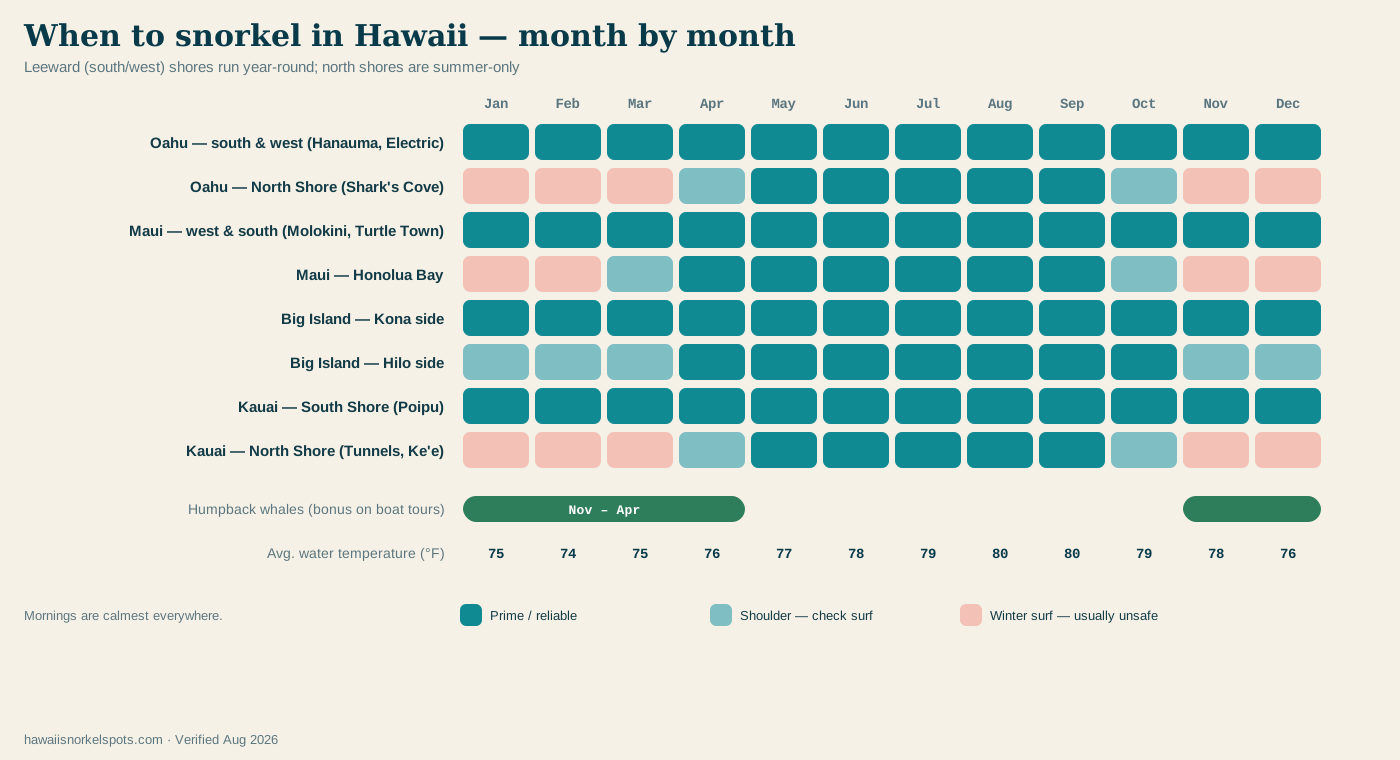
The one rule that matters: north-facing shores (Oahu’s North Shore, Kauai’s north shore, Honolua on Maui) are summer-only — roughly May through September — while south- and west-facing spots run year-round. Water stays 74–80°F all year. Winter visitors get a consolation prize: humpback whales from November to April, visible from most boat tours. Mornings are calmest everywhere, on every island, in every season.
Field reports we drew from
This guide is compiled research, not a trip diary — these are some of the firsthand sources behind it:
- Lost in the Midlands — firsthand Big Island reports, including the ~30 m visibility observation at Kealakekua Bay.
- The Hawaii Vacation Guide — island-by-island comparisons and Maui’s marine reserves, including shore access to Turtle Town.
- Smartrippers — firsthand notes on Tunnels Beach and Electric Beach.
- Wanderful Stories — firsthand impressions of Hanauma Bay and Kealakekua Bay.
- Official sources for every fee and rule: City & County of Honolulu (Hanauma reservations), Hawaii DLNR, Ha’ena State Park, and NOAA Fisheries wildlife-viewing guidelines.
Spot something outdated? Tell us — corrections are part of the process.
Frequently asked questions
Which Hawaiian island has the best snorkeling?
The Big Island, by a small margin — Kealakekua Bay, Two Step and the manta night snorkel give it the strongest top end, and its young lava coastline means clearer water. Maui is the best all-rounder for families, Oahu has the single most beginner-friendly bay (Hanauma), and Kauai is superb in summer.
What is the #1 snorkeling spot in Hawaii?
Kealakekua Bay (Captain Cook) on the Big Island. It appears at or near the top of nearly every firsthand report we reviewed, thanks to protected status and exceptional clarity. If you can’t get to the Big Island, Molokini Crater is the closest rival.
Can you snorkel in Hawaii without a boat or tour?
Absolutely — 15 of the 20 spots in this guide are free beach entries. Boats earn their price at exactly four places: Molokini, Kealakekua Bay, the Kona manta night snorkel and Turtle Canyon.
What is the best month to snorkel in Hawaii?
May through September, when every coast on every island is open. Summer combines calm north shores with the year’s warmest water (79–80°F in August–September). Winter is still excellent on south and west shores, plus whales.
Is snorkeling in Hawaii safe for beginners?
At the right spots, yes — pick calm, lifeguarded beaches like Kahalu’u, Poipu or Hanauma’s inner reef, never snorkel alone, and respect high-surf advisories. The mistakes that cause trouble are predictable: winter north shores, snorkeling far from shore alone, and ignoring posted warnings.
Do you need reservations to snorkel in Hawaii?
Only at two places: Hanauma Bay on Oahu (two days ahead, 7:00 a.m. HST) and Ha’ena State Park on Kauai (for Tunnels/Ke’e parking). Everywhere else, you just show up — early, for parking.