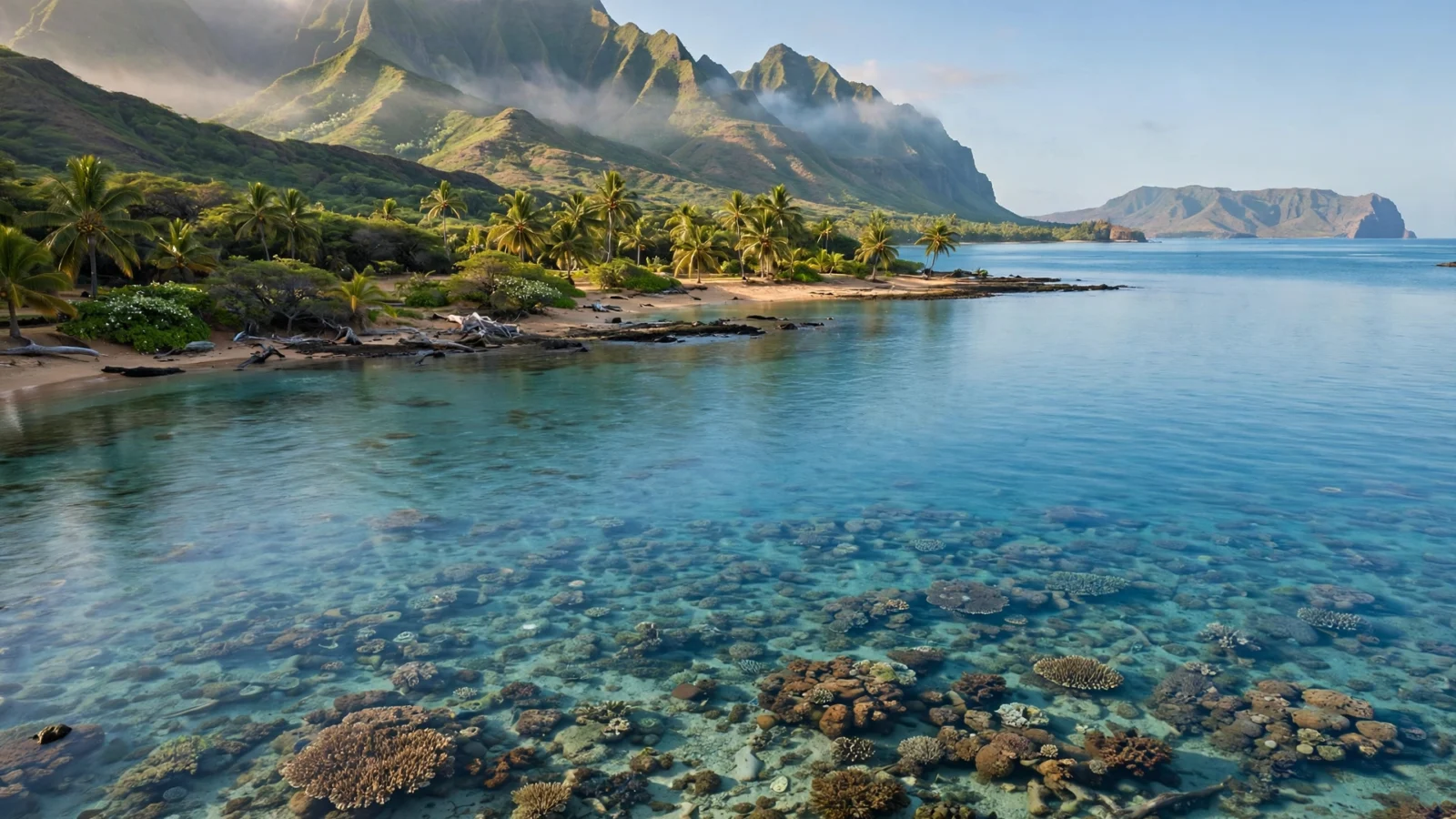
Lahaina is one of the most practical bases for snorkeling on Maui: the town sits on the island’s leeward west coast, so mornings are usually calm, and within a 20-minute drive in either direction you have a dozen reef sites ranging from a sheltered beginner lagoon to a marine reserve. Since the August 2023 fire the town is in phased recovery, and the harbor and waterfront are coming back in stages — so a Lahaina snorkel trip in 2026 looks a little different from the old guidebooks. This guide covers the current reality: the best shore spots ranked, where boat tours actually leave from now, winter conditions, and the safety details that matter. Beyond the reef, see our guide to the things to do in Lahaina.
The best snorkeling spots in and around Lahaina, ranked
West Maui’s leeward coast is a string of small bays and reef flats. Listed north to south from town, with the honest trade-off for each:
| Spot | Best for | Entry & conditions |
|---|---|---|
| Mala Wharf | Pier pilings, turtles, photographers | Shore entry; snorkel the beach side of the pier, never the ramp/channel side |
| Baby Beach (Pu’unoa) | Families and first-timers | Shallow reef-protected flat; very sheltered, no lifeguard |
| Kahekili Beach Park (Airport Beach) | Easy reef snorkeling, facilities | Sandy entry; can get a north-south current on some days |
| Honokowai Beach Park | Calm family snorkeling | Shallow, protected; best in the morning |
| Napili Bay | Clear water, turtles | Sandy beach entry; reef at both points |
| Kapalua Bay | Beginners, eels, calm crescent | Sheltered crescent; paid parking lots; winter swell can shut it down |
| Black Rock, Ka’anapali | Convenient, abundant fish | Easy entry at the point; crowded; daily winter check |
| Coral Gardens (Olowalu) | Shallow beginner reef, turtles | South of town; boat or shore; calm mornings |
Mala Wharf — the pier-piling snorkel at Lahaina’s north edge
Mala Wharf (Mala Historic Wharf) is Lahaina’s most distinctive shore snorkel: the old pier’s pilings are encrusted with coral and draw turtles, reef fish, and the occasional reef shark cruising the deeper water off the end. The single most important safety fact, from our dedicated Mala Wharf guide: snorkel the beach side of the pier, away from the ramp and channel. The ramp area is active — it hosts working boats and a temporary state harbor office — and boat traffic uses the channel. The town around Mala is still in phased recovery from the 2023 fire, so follow current County and DLNR signage on the day and respect any closed areas; recent snorkeler and diver reviews confirm the site is being snorkeled now.
Baby Beach (Pu’unoa) — the beginner lagoon
Just south of Mala Wharf, Baby Beach is a shallow, reef-protected flat that is one of the calmest places to float on west Maui — ideal for kids and first-timers building confidence. There is no lifeguard, and the reef flat means you should shuffle, not stride, on entry. Maui actually has two beaches called Baby Beach; our Baby Beach guide covers Lahaina’s Pu’unoa flat versus the Spreckelsville lagoon so you don’t mix them up.
Kahekili Beach Park (Airport Beach)
North of Kāʻanapali, Kahekili — better known as Airport Beach — is a long sandy beach with an easy entry and a fringing reef offshore. It has restrooms, showers, and lifeguards, which makes it one of the more comfortable west Maui snorkel mornings. Note that a north-south current can run along this stretch on some days; if you’re working to hold position, shorten the session or move to a more sheltered bay. Full details in our Kahekili Beach Park guide.
Honokowai Beach Park
Honokowai is the quiet local alternative to Kāʻanapali’s resort beaches: shallow, usually calm in the morning, and uncrowded. Good for a relaxed float rather than dramatic topography. See our Honokowai Beach Park guide.
Napili Bay
Napili’s sandy crescent has some of the clearest shore-accessible water on west Maui, with reef at both rocky points and regular turtle sightings. It fills up by mid-morning, so this is an early-start spot. Our Napili Bay guide has the entry and parking detail.
Kapalua Bay
Kapalua’s sheltered crescent is a beginner favorite — calm water, a gently sloping reef, turtles, and it’s a notably good bay for spotting eels along the rocky edges. Parking is in paid lots (rates change; check the signs on arrival), and there is no lifeguard and no reservation system. Winter north swells can shut Kapalua down for days at a time — treat it as a daily-check bonus in winter, not an anchor. Full logistics in our Kapalua Bay guide.
Black Rock (Pu’u Keka’a), Kāʻanapali
Black Rock sits within Lahaina’s town limits at the north end of Kāʻanapali Beach, so it’s the easiest “walk in from the resort” snorkel on this list. The lava-rock point shelters a vibrant reef with abundant fish, and calm mornings are genuinely beginner-friendly. It is also the busiest spot here — go early. Like Kapalua, winter swells turn it into a check-conditions-first site. See our Black Rock guide.
Coral Gardens (Olowalu) — south of town
A short drive south of Lahaina toward Maʻalaea, the Olowalu reef — sold as “Coral Gardens” on boat tours — is a shallow, turtle-heavy reef that works well for beginners on calm mornings. Most visitors reach it by boat, but shore access exists; our Coral Gardens guide covers both.
Snorkel tours from Lahaina: where boats leave now
This is the part that has changed most. Lahaina Harbor — historically the departure point for Molokini, Lānaʻi, and west Maui snorkel sails — was devastated in the 2023 fire and is being rebuilt in stages. As of 2026: the harbor reopened on December 15, 2025 for limited commercial operations, daytime only (8:00 am to 6:00 pm per the state DLNR), with more operators returning through 2026 — but full recovery is not expected until about the end of 2027, and the harbor’s first maintenance dredging in 60 years began in June 2026. In practice, many boat trips still leave from Maʻalaea Harbor or directly off Kāʻanapali Beach. When you book, confirm the departure location in your confirmation email and follow the operator’s check-in instructions — don’t assume “Lahaina tour” means “Lahaina Harbor.”
Typical tours from the west side run to Molokini Crater, Turtle Town, Lānaʻi, or the Olowalu reef, usually as morning sails with gear, lunch, and drinks included. Our Hawaii snorkeling tours guide covers what the trip types cost and how to pick one; our Molokini guide and Turtle Town guide cover the two most-booked destinations.
Best time to snorkel in Lahaina
The daily rule for all of west Maui: go in the morning. Trade winds typically build through the day, so the calmest water and clearest visibility are before about 10–11 am, with fewer people as a bonus. Seasonally, summer (roughly May–September) is the reliable window for the north-facing bays — Honolua Bay is a summer-only snorkel, switching to surf in winter. In winter (November–April), north and northwest swells hit the west-facing beaches: Kapalua, Black Rock, and Honolua become check-the-surf-report-first sites, while the more sheltered south-facing and leeward spots hold up better. Water stays swimmable year-round; a rash guard or thin wetsuit top is a comfort call in the coolest months. Our best-time guide has the month-by-month breakdown, and the Maui hub ranks the island’s spots by season.
What you’ll see snorkeling around Lahaina
Hawaiian green sea turtles (honu) are the headline act — Mala Wharf, Kapalua, Napili, and Black Rock all produce regular sightings. Give them space: the federal guidance is to stay at least 10 feet away and never touch or chase them; our turtles guide covers the etiquette. Beyond turtles: butterflyfish, parrotfish, and tangs over the reefs; moray eels tucked into Kapalua’s rocky edges (look, don’t reach); eagle rays and reef sharks as occasional drive-bys at the deeper sites like Mala’s outer pilings. From December through March, humpback whales are in Maui’s waters — you won’t snorkel with them, but winter boat tours often combine snorkeling with whale watching, which is worth booking deliberately.
Parking and access
Access is the practical friction on this coast. In town, use street parking and public lots near the waterfront and follow posted signs — some streets around the harbor and Front Street remain closed or restricted during recovery work (Front Street reopened to traffic between Pāpalaua Street and Shaw Street in August 2026). At the resort beaches, expect paid lots: Kapalua’s lots are paid for non-residents (check current rates on the signs), and Kāʻanapali-area parking near Black Rock is tight — arrive before 9 am or expect a walk. Mala Wharf and Baby Beach have limited street parking; go early. If you need gear, renting snorkel gear on Maui is straightforward, with shops in Lahaina, Kāʻanapali, and Maʻalaea — many visitors prefer bringing their own mask for fit.
Safety: read this before you get in
West Maui’s calm mornings can turn. At Mala Wharf, the beach-side/ramp-side distinction is the critical one: snorkel the beach side of the pier, never the channel where boats move. There is no lifeguard at Mala Wharf or Baby Beach; Kahekili has lifeguards. Currents can run along the Airport Beach/Kahekili stretch — if you’re swimming in place, get out. Snorkel with a buddy everywhere, wear reef-safe sunscreen (required by state law in Hawaiʻi), and don’t stand on coral. If you use a full-face snorkel mask, know the documented risks before you decide — our Hawaii snorkeling safety guide covers the study evidence, the operator bans, and the warning signs. New to the sport? Our how-to-snorkel guide and beginners guide are the right starting points.
Visiting Lahaina town now
Lahaina is a town in recovery, and it shows — in the construction fencing, the closed streets, and also in the businesses that have reopened and the residents rebuilding. What’s useful to know: Front Street reopened to traffic between Pāpalaua Street and Shaw Street on August 1, 2026; some streets immediately around the harbor remain closed during repairs. Respect barriers and closed areas, don’t enter restricted zones, and expect your route to the waterfront to differ from old maps. Eating and shopping with the businesses that are open is the most direct way visitors can support the recovery. Conditions change as work progresses, so treat any guide — including this one — as a starting point and confirm access on the day.
Lahaina snorkeling FAQ
Is Lahaina good for snorkeling?
Yes — Lahaina’s leeward west Maui coast has some of the island’s most accessible snorkeling, from the sheltered Baby Beach lagoon to the pier pilings at Mala Wharf and the reefs of Kāʻanapali, Napili, and Kapalua within a short drive. Mornings are calmest.
Where is the best snorkeling near Lahaina for beginners?
Baby Beach (Pu’unoa) for the shallowest, most sheltered water; Kapalua Bay for a calm crescent with facilities nearby; and Black Rock on a calm summer morning. All three have no-lifeguard or limited-lifeguard realities, so go early and with a buddy.
Can you snorkel at Mala Wharf now?
Yes — recent snorkeler and diver reviews confirm Mala Wharf is being snorkeled now. Snorkel the beach side of the pier, stay clear of the ramp and boat channel, and follow County and DLNR signage, as the surrounding area is still in phased post-fire recovery.
Is Lahaina Harbor open for snorkel tours?
Partially. The harbor reopened December 15, 2025 for limited commercial operations, daytime only (8 am–6 pm), with more operators returning through 2026 and full recovery expected around end of 2027. Many tours still depart from Maʻalaea Harbor or Kāʻanapali Beach — confirm your departure point when booking.
What is the best time of day to snorkel in Lahaina?
Early morning, before the trade winds build — typically the calmest water and clearest visibility before 10–11 am.
Can you snorkel in Lahaina in winter?
Yes, but choose your spots. Winter north swells can shut down Kapalua, Black Rock, and Honolua for days; the more sheltered bays and boat tours to leeward reefs are the reliable winter plays. Check the surf report the morning of.
Do I need a boat tour, or is shore snorkeling enough?
Shore snorkeling covers Lahaina well — Mala Wharf, Baby Beach, Kahekili, Napili, Kapalua, and Black Rock are all shore-accessible. A boat tour is worth it for Molokini Crater, Lānaʻi, and Turtle Town, which you can’t reach from shore.
Will I see turtles snorkeling in Lahaina?
Very likely — Hawaiian green sea turtles are regulars at Mala Wharf, Kapalua, Napili, and Black Rock. Stay at least 10 feet away, never touch or chase them, and give resting turtles on beaches a wide berth.
For the full island picture, our Maui snorkeling map pins all 26 shore spots with GPS coordinates and difficulty ratings.